

RIYADH: Saudi Arabia is struggling to counter Houthi aerial attacks from Yemen despite having advanced US-made air defence systems. The attacks have raised concerns among Indians living in the country, including Malayalees.
Saudi Arabia reported missile and drone attacks on Monday but did not disclose any casualties or damage. The Houthis claimed to have targeted an Aramco plant and an oil refinery. Saudi forces retaliated with heavy strikes on Houthi positions in Sana'a, the Yemeni capital. The Houthis claimed that civilians were killed in the Saudi strikes.
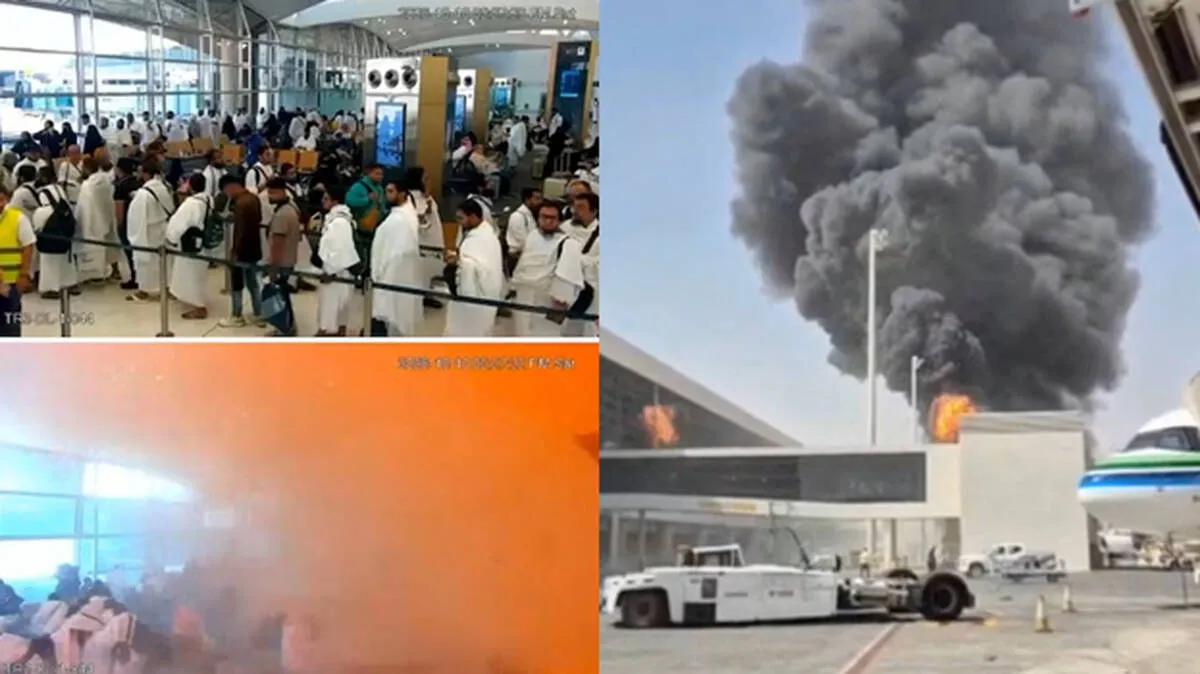
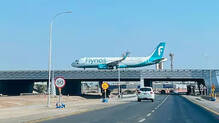
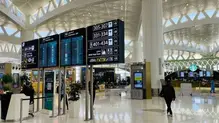
The repeated attacks on King Khalid International Airport in Riyadh have exposed a major vulnerability in Saudi Arabia's air defence capabilities. The country has launched an internal investigation into the alleged lapses.
Iran, which supports the Houthis, has approached Saudi Arabia with a proposal to help resolve the conflict. The foreign ministers of the two countries held a telephone conversation, during which Iran called for a negotiated settlement and expressed its willingness to mediate.
Missile attacks on Riyadh airport on Saturday and Sunday killed 14 people, including a native of Telangana. The airport will remain closed until the 17th.
Drone swarms: The Houthis are deploying hundreds of inexpensive drones simultaneously to overwhelm and confuse air defence systems. While Saudi forces attempt to intercept the drones, the Houthis launch cruise and ballistic missiles in coordinated barrages. Even if most incoming weapons are intercepted, some missiles may still reach their targets.
Missiles designed to evade detection: The Houthis reportedly possess missiles and drones with capabilities intended to evade radar and other tracking systems. Their arsenal also includes low-flying cruise missiles that can be harder to detect and ballistic missiles fitted with manoeuvrable warheads.
Iranian technology and smuggled components: The Houthis receive missiles, drones and related technologies from Iran. Secret facilities in Yemen are reportedly used to assemble weapons using missile components and electronic parts smuggled from Iran and China.
Saudi Arabia is using advanced US-made interceptor systems, including Patriot and Terminal High Altitude Area Defence (THAAD), to counter the attacks. These interceptors are expensive, costing billions of dollars collectively, and repeated engagements are putting pressure on the country's stockpiles.
Attacks on oil facilities are also threatening Saudi Arabia's economic interests, adding to the financial burden of defending critical infrastructure against continued missile and drone strikes.












 HOME
HOME LATEST
 NOTIFIED NEWS
 POLL
POLL KERALA
  EDITORIAL
  INDIA
INDIA  WORLD
WORLD  BUSINESS
  CINEMA
  SPORTS
  LIFESTYLE
  SPECIAL
  SCIENCE & TECHNOLOGY
 |
|